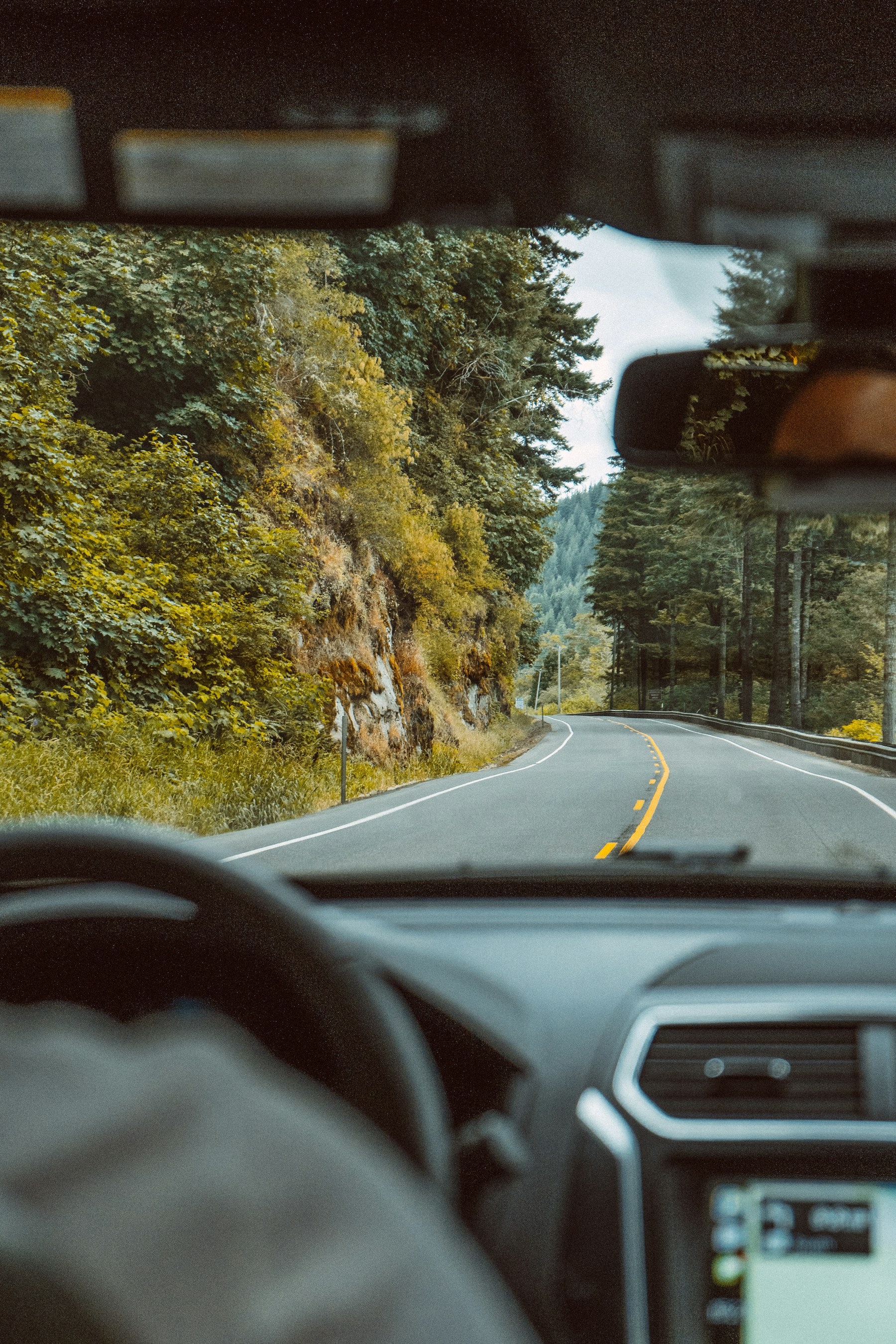
The useful side of driving
Fast is a number.
Feel is the story.
A road car earns trust through steering, visibility, braking, balance, and the way it behaves before the speed becomes silly.
Feature / Chassis
Observation 001What makes a good road car?
The numbers stop where the conversation starts.
More power can make a car quicker, but it cannot make the steering honest, the brake pedal progressive, or the view out reassuring. Those qualities shape every ordinary mile.
Weight matters because every control has to manage it. A lighter car asks less of its tires and brakes, changes direction with less delay, and often communicates its limits more clearly. Gearing matters because performance you can reach and place is more satisfying than a headline figure stranded beyond sensible road speed.
Good road cars also make small speeds legible. You notice the front tires loading through a bend, the body settling after a crest, and the brake pedal giving you enough range to stop smoothly. None of this requires a lap timer.
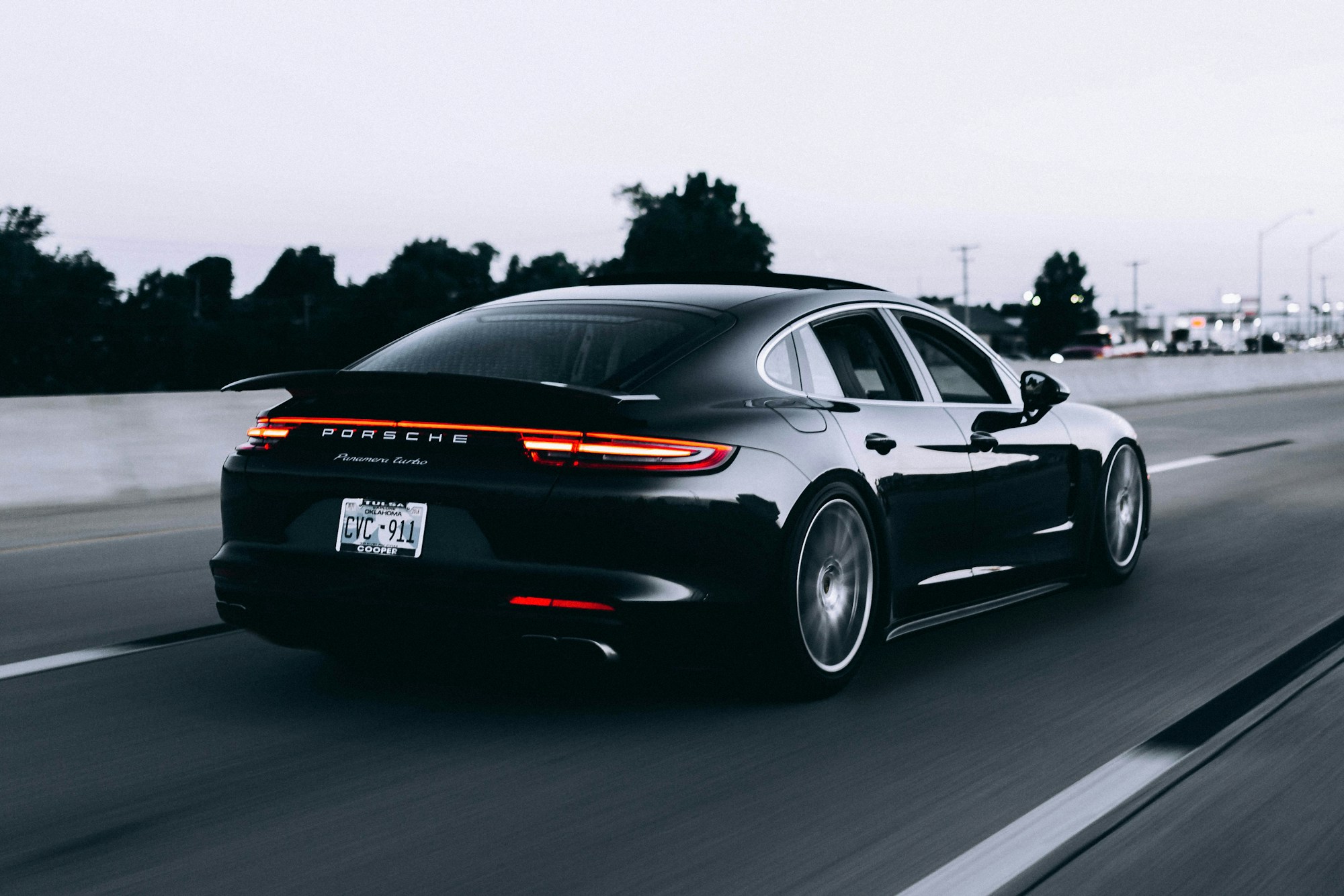
Driver’s anatomy
Five inputs.
One impression.
A car’s character is not a single component. It is the agreement—or argument—between the parts you feel first.
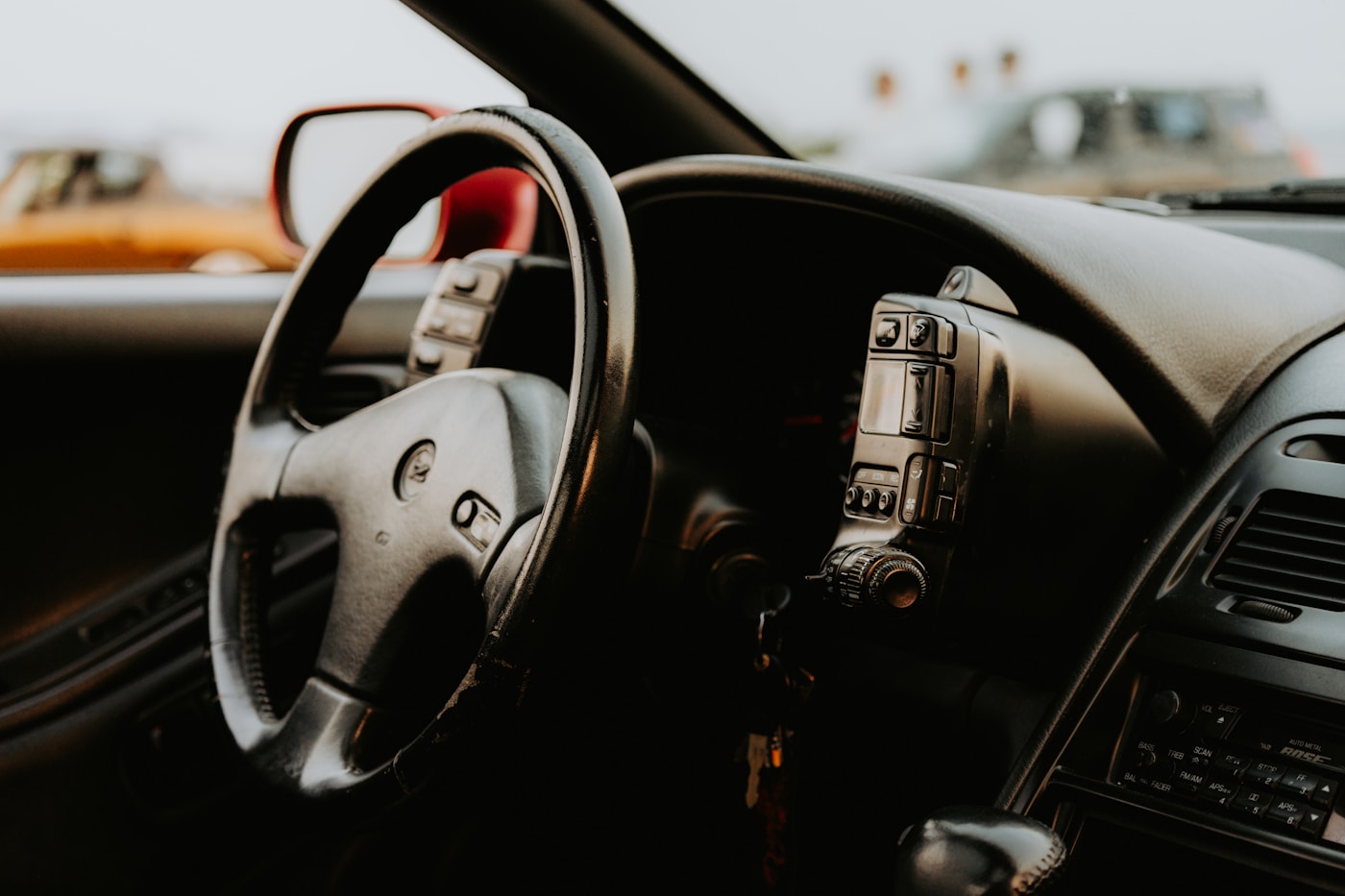
- Contact
Tires
Pressure, sidewall, compound, and temperature decide how every other system reaches the road.
- Direction
Steering
Useful steering builds effort naturally and tells you what the front axle is doing without nervousness.
- Inertia
Weight
Mass influences response, ride, braking, and how long the car takes to settle after an input.
- Control
Suspension
Its job is not to erase the road. It keeps the tire working while the body remains composed.
- Confidence
Brakes
Pedal consistency and modulation matter more on the road than an impressive component diameter.
Ownership / Monthly
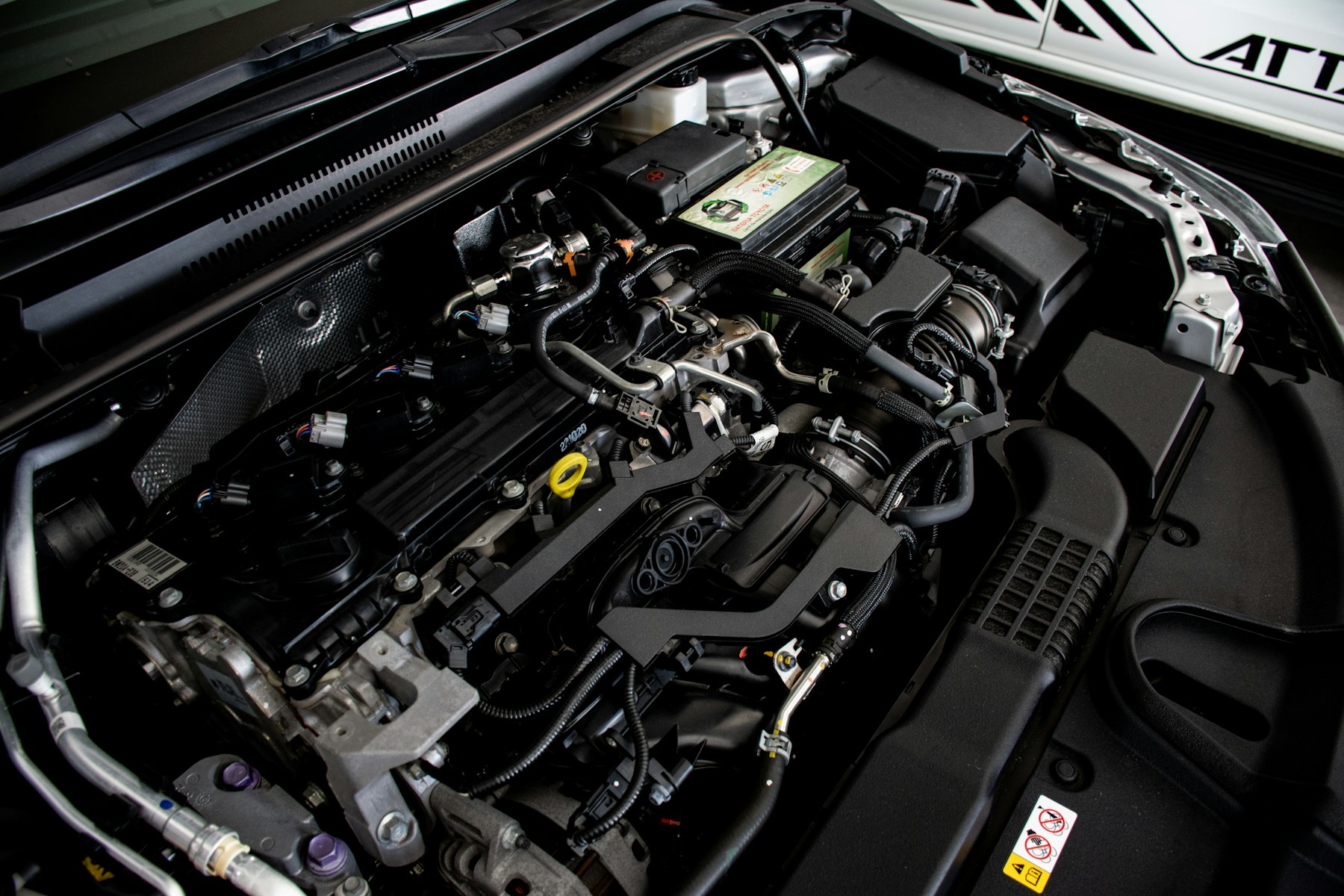
Garage sheet A–01Ten quiet minutes
The checks that keep small problems small.
- Tire pressureUse the vehicle’s specified cold pressures, not the number molded as the tire’s maximum.01
- Tire conditionLook for damage, uneven wear, embedded objects, and tread approaching its limit.02
- Engine oilFollow the handbook’s checking method and use the correct oil if a top-up is needed.03
- CoolantInspect the reservoir only when the engine is cold. A repeated loss needs professional attention.04
- Lights and glassConfirm every exterior light works; clean lamps, mirrors, cameras, and the windscreen.05
- Washer fluidTop up with a suitable screenwash mixture and check that the jets clear the driver’s view.06
If a warning light remains on, fluid is leaking, or braking feels different, stop guessing and have the car inspected.

Before the long run
Prepare the car before you prepare the playlist.
Long trips expose neglected basics: a slow puncture, a weak wiper, a missing locking-wheel key, or a route planned without fuel and rest in mind.
- Set cold tire pressures for the expected load.
- Inspect tread and check the spare or repair kit.
- Top up fluids and confirm all lights work.
- Pack the charging cable, wheel key, and handbook.
- Check weather and road closures before departure.
- Plan realistic fuel, charging, and rest stops.
- Carry water, warm layers, and a basic first-aid kit.
- Share the route when travelling through remote areas.
Machine detail / Tire
Component study 04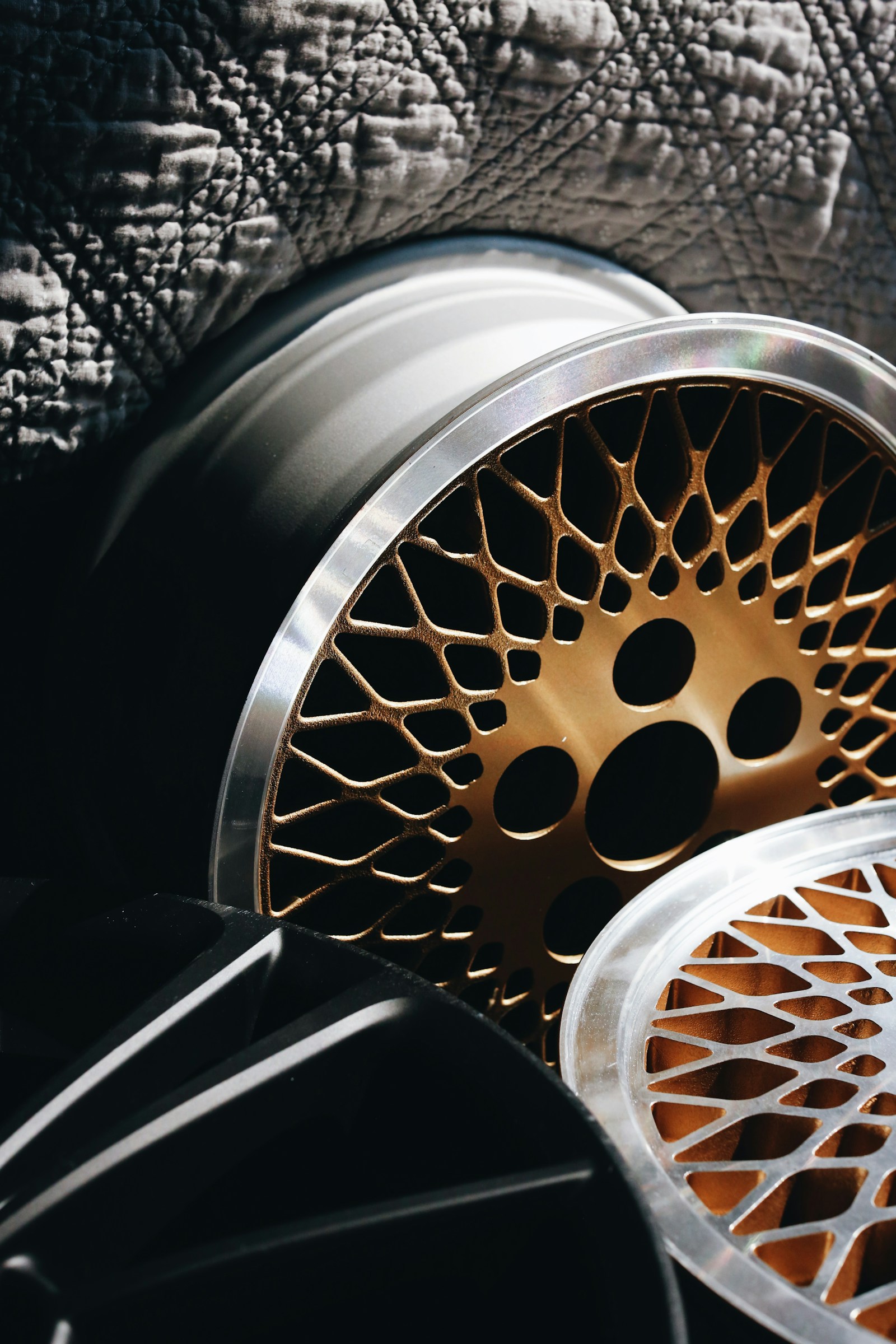
The first spring
Four handprints connect the car to the road.
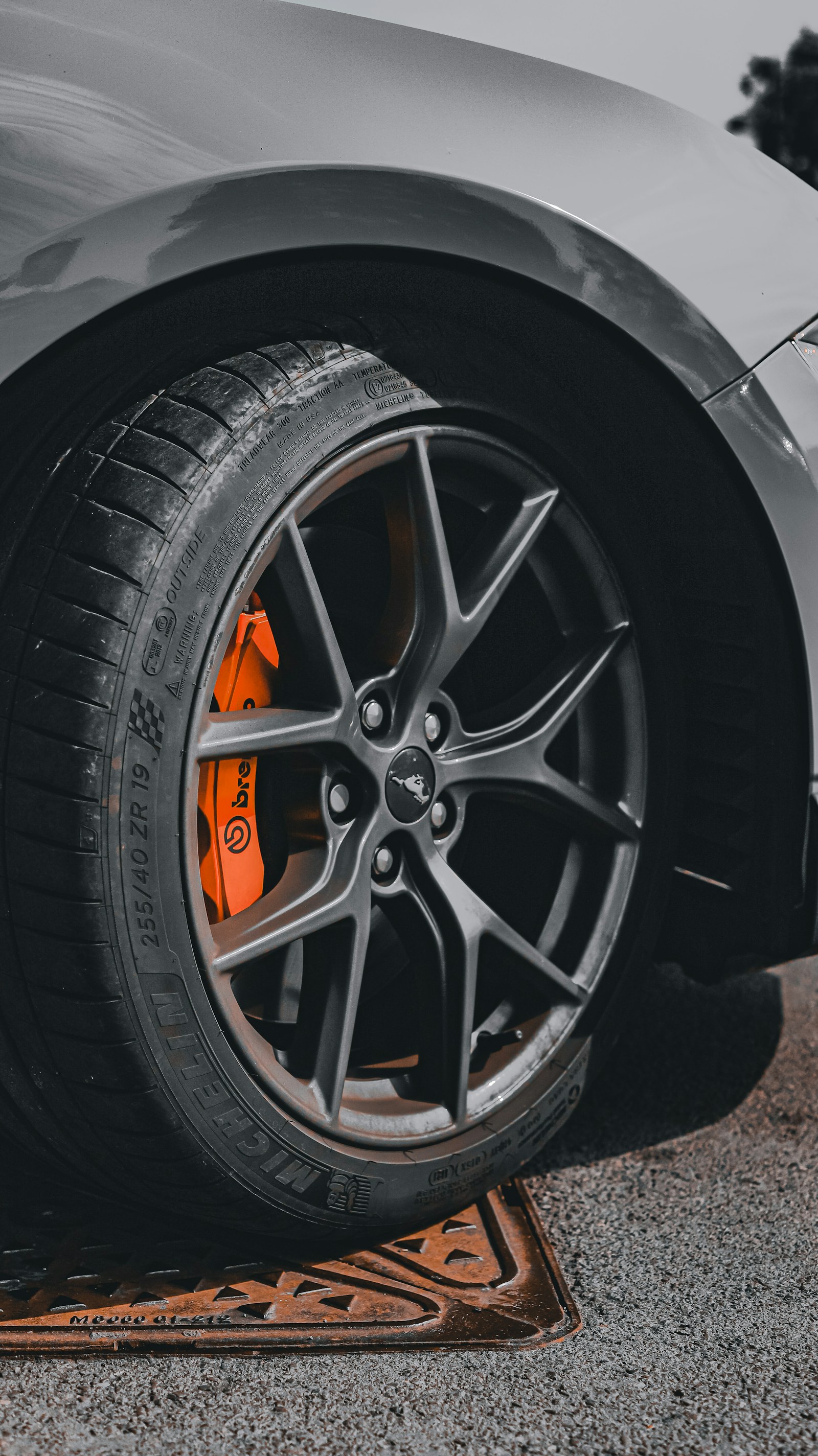
The tire is not an accessory added after the chassis is finished. It is a flexible structural part that steers, accelerates, brakes, absorbs sharp edges, and clears water.
A taller sidewall can introduce a little more movement, but it also gives the tire room to absorb broken surfaces. A very stiff, low-profile setup may sharpen the first response while making the car less settled on imperfect roads. The right choice depends on climate, load, surface, and use—not the size that fills the arch most completely.
- Pressure
- Changes support, heat, wear, and response.
- Sidewall
- Shapes compliance and the rate of steering response.
- Tread
- Manages water and gives a visible record of wear.
Read the road
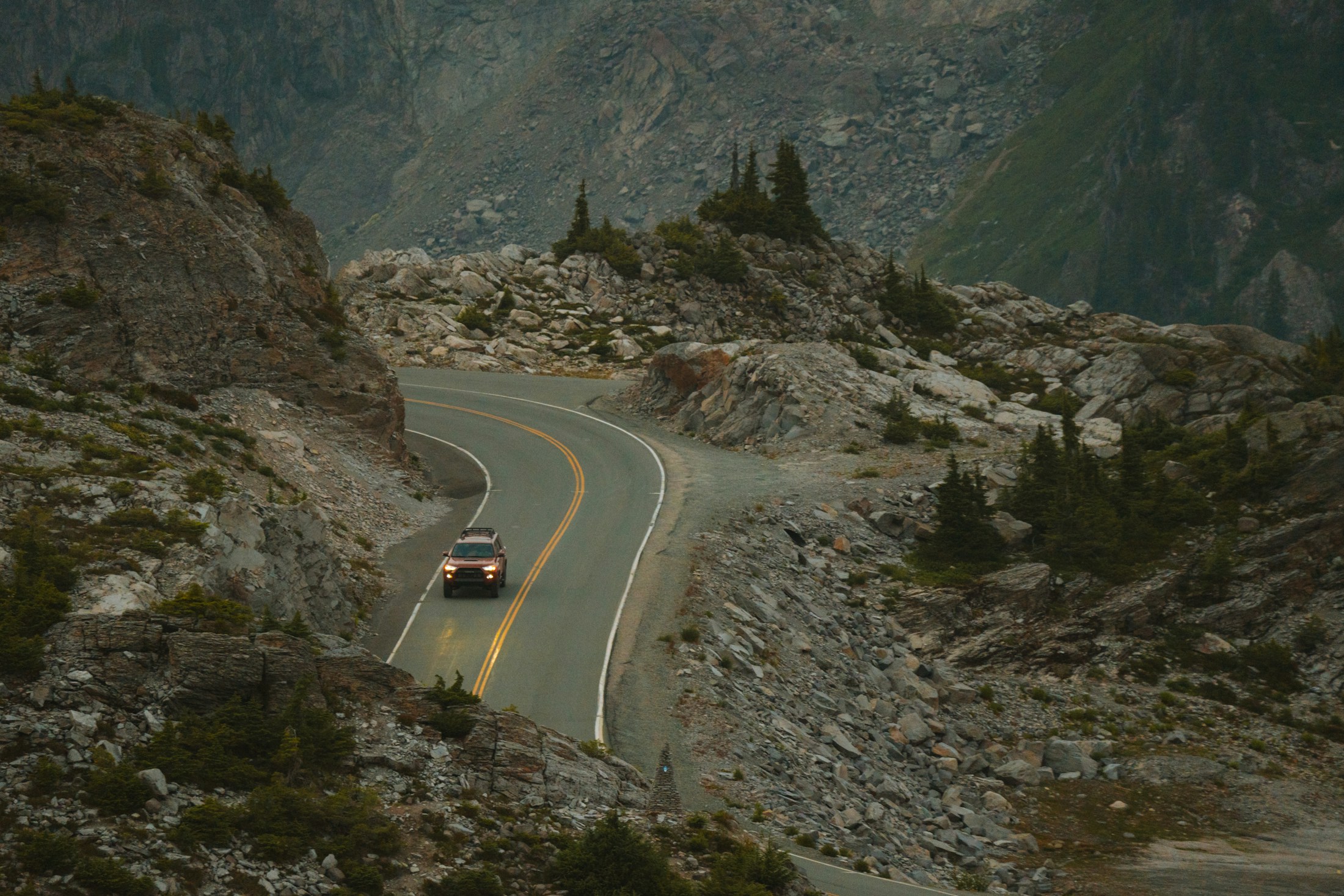
A good road is a sequence, not a stage.
The pleasure is in reading changes: fresh asphalt becoming patched tarmac, an open view narrowing beneath trees, dry corners giving way to damp shade. A capable driver leaves enough margin to notice all of it.
Rhythm does not mean speed. It means using clear sightlines, smooth inputs, and a pace that can change when the surface, weather, traffic, or visibility changes. The best run is the one that still feels unhurried afterward.
Garage notes
Four things worth noticing next time you drive.
- N—01Why tire pressure changes more than comfortOwnership / 5 min↗
- N—02The case for a little more sidewallMachines / 6 min↗
- N—03What your steering is actually telling youDrive / 7 min↗
- N—04Visibility is a performance featureRoads / 4 min↗